.svg)

Loan Assumption Agreement: 9 Key Components & Documentation Guide 2026
What a loan assumption agreement includes, who prepares it and the full paper trail from application to county recording, plus the mistakes that derail closings.
Key takeaways
Loan Assumption Agreement: What It Is, What's Included & How to Get One
Executive Summary
- Direct answer: A loan assumption agreement is a legal document between a lender, the original borrower (seller), and a new borrower (buyer) that transfers the obligation of an existing mortgage to the buyer, including the interest rate, remaining balance, and payment schedule, while formally releasing the seller from liability.
- Key insight: Six million homes in the U.S. carry assumable mortgages with rates below 5% (AssumeList), while the 30-year fixed rate averaged 5.98% as of February 2026 (Freddie Mac PMMS). The assumption agreement is the legal bridge that lets a buyer claim that lower rate.
- Assumable.io perspective: Most buyers lose assumable deals not because they can't find them, but because they don't understand the documentation layer. This guide covers every clause inside the agreement, the full paper trail from application to county recording, and the mistakes that derail closings.
- Actionable takeaway: Use the Assumable Mortgage Calculator to estimate your savings, then review this guide so you know exactly what every document in the process does before you submit your first application.
Six million homes across the United States sit on assumable mortgages with interest rates below 5%. Meanwhile, buyers entering the market face a 30-year fixed rate averaging 5.98% as of February 2026. The gap between those two numbers represents tens of thousands of dollars in lifetime interest savings. But you can't access any of it without a specific legal document: the loan assumption agreement (also called a mortgage assumption agreement). Understanding what's inside this agreement, and the full paper trail surrounding it, is what separates buyers who actually close assumable deals from those who get lost in the process.
What Is a Loan Assumption Agreement?
A Three-Party Contract, Not a Buyer-Seller Handshake
A loan assumption agreement is an agreement between a lender, the original borrower, and a new borrower, where the new borrower agrees to assume responsibility for the debt owed by the original borrower. This isn't a standard buyer-seller contract. The lender is a full party to this document, and nothing moves forward without their signature.
The agreement accomplishes three things simultaneously. First, the buyer formally accepts all obligations under the existing loan. Second, the lender approves the transfer and confirms that the sale doesn't trigger a default. Third, when executed properly, the seller walks away with a clean release from any future liability on that mortgage.
Novation vs. Simple Assumption: The Distinction That Matters Most
Here's the part sellers need to read carefully. A novation creates a completely new obligation between the lender and the buyer, releasing the seller entirely. In a simple assumption, the seller remains legally responsible for the loan if the buyer defaults. The assumption agreement is the document that makes a novation happen. Without it, or with a poorly executed one, you have a simple assumption, and the seller is still on the hook. Sometimes called a loan assumption contract, this document is the seller's primary legal protection.
Why This Document Matters Right Now
74% of VA homeowners hold a mortgage rate below 5% (Veterans United / Ginnie Mae). Roughly 23% of all outstanding mortgages are federally backed and assumable (Bipartisan Policy Center). That's a massive inventory of below-market-rate loans available for transfer. The mortgage loan assumption agreement is the mechanism that makes each transfer legally binding.
Savings Example: What the Rate Gap Means in Real Dollars
A $350,000 home with a remaining loan balance of $280,000 at 3.25% vs. a new 30-year mortgage at approximately 6%. The monthly principal and interest difference: roughly $500/month. Over the remaining loan term, the buyer could save $100,000+ in total interest.
Use the Assumable Mortgage Calculator to estimate your savings on a specific property.
For a step-by-step walkthrough of how the entire assumption works from offer to closing, see the full loan assumption process guide.
Knowing what the agreement IS matters. But knowing what's INSIDE it matters more, especially if you're the seller counting on a clean release of liability.
Key Components of a Mortgage Assumption Agreement
Every mortgage assumption agreement follows a similar structure. The specific language varies by lender, but these nine components appear in virtually every version. This is what you should expect to see, and what to look for, when the lender sends the document.
- Identification of all three parties. Full legal names and roles: the lender or servicer, the original borrower (seller), and the new borrower (buyer). Remember, the lender is a party to this agreement, not just an observer.
- Loan details. Original loan amount, current outstanding balance, interest rate, loan type (FHA, VA, or USDA), remaining term, and monthly payment amount. These must match the original loan documents exactly. Any discrepancy is a red flag worth resolving before signing.
- Assumption terms and buyer's obligations. As the buyer, you're agreeing to assume all obligations under the existing loan documents and comply with every covenant contained in them. In plain English: you're stepping into the seller's shoes completely.
- Payment schedule. Confirmation of the existing payment schedule, including the date your first payment is due. This typically falls on the first of the month following closing.
- Release of liability clause. This is THE most important component for sellers. The clause formally releases the original borrower from all future obligation on the loan. When a buyer assumes a mortgage, the lender issues a formal release of liability as part of the process. But here's a critical caveat: for certain FHA assumptions, the seller may remain liable for a period of five years following the date of assumption (per HUD guidance). Sellers with FHA loans should read this clause word by word. Learn more about FHA loan assumption requirements.
- Lender's consent. The lender's formal agreement that the transfer does not constitute a default under the original loan documents. This clause protects both the buyer and seller from the lender later claiming the sale triggered the due-on-sale clause.
- Representations and warranties. Both parties make assertions: you as the buyer represent that you're creditworthy and have reviewed the loan terms. The seller represents the loan is current with no undisclosed defaults.
- Default provisions. What happens if the buyer defaults after assumption. Typically, the same default provisions from the original loan carry forward.
- Governing law and signatures. The state whose laws govern the agreement, plus signatures of all three parties. Most loan assumption agreements require notarization.
Component Importance by PartyComponentCritical for Buyer?Critical for Seller?Critical for Lender?Loan details matchYesYesYesRelease of liabilityNoYes (most important)YesLender consentYesYesYesDefault provisionsYesModerateYesFHA 5-year liability windowNoYesYes
Not every assumption agreement looks identical. FHA, VA, and USDA loans each have specific requirements layered on top of these core components. Knowing which type of assumable mortgage you're dealing with changes what you should look for. Review the VA loan assumption guide for veteran-specific details.
The assumption agreement is the centerpiece of the documentation, but it's not the only document involved. Here's the full paper trail, from application to recording.
How Is a Loan Assumption Documented? The Full Paper Trail
The mortgage assumption agreement sits at the center of a larger documentation process. Here's every step in chronological order, from your initial offer through the final county recording.
- Purchase contract with assumption contingency. The deal starts here. Your offer should include a contingency that the sale is subject to successful loan assumption approval. Without this, you have no exit if the lender denies the assumption.
- Assumption application to the lender or servicer. You submit a formal application to the existing lender. This is similar to a standard mortgage application: the lender needs to qualify you as a borrower.
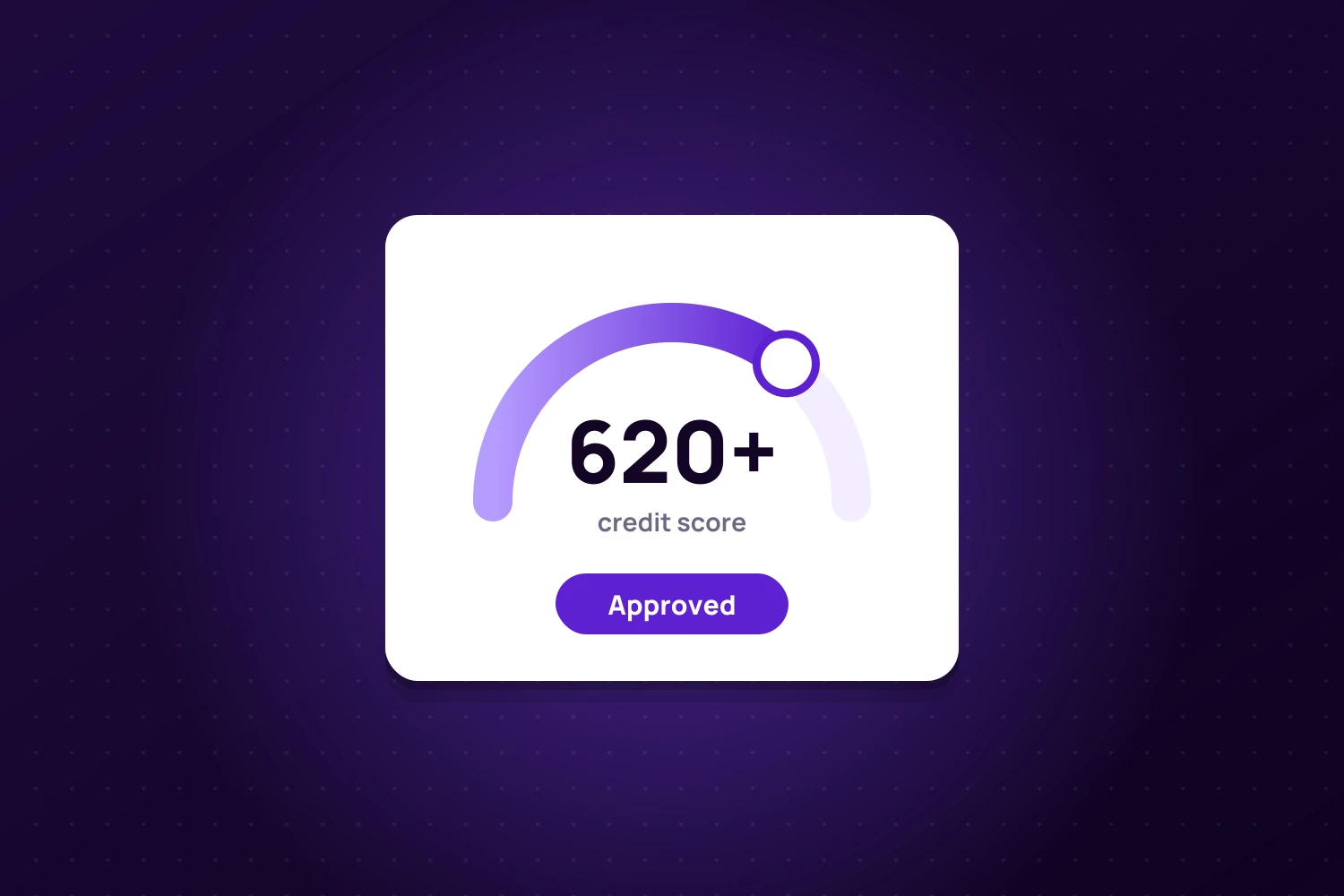
- Credit authorization and income verification. You provide pay stubs, tax returns, bank statements, and W-2s. For FHA assumptions, the lender reviews credit score, debt-to-income ratio, employment stability, and asset verification per HUD Handbook 4000.1.
- Title search and title report. A title company searches for liens, judgments, or encumbrances on the property. This protects you from inheriting title problems along with the loan.
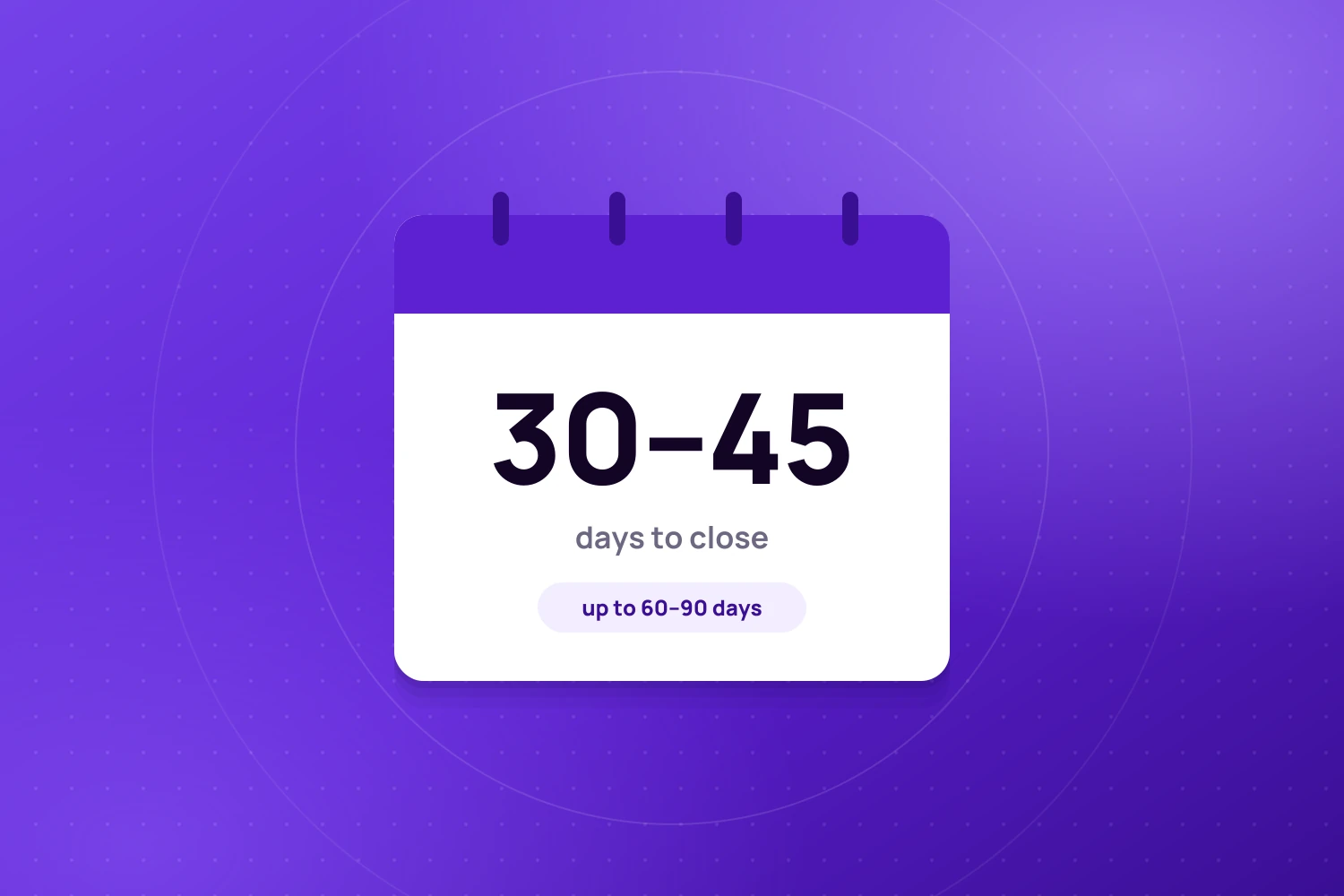
- Lender underwriting review. The servicer underwrites you just like a new loan applicant. This is where the timeline starts in earnest. While FHA regulations mandate a 45-day processing window, the reality is that many assumptions take 60 to 90 days or longer.
- Lender approval letter. The servicer issues formal approval of the assumption. This is the green light.
- Assumption agreement. Prepared by the lender or servicer (not you, not the seller, not the real estate agent). This is the document covered in the previous section.
- Closing disclosure. Itemizes all costs, including the assumption processing fee. Note the recent FHA update: FHA increased the maximum processing fee from $900 to $1,800 (HUD Handbook 4000.1 update).
- Deed transfer documentation. The deed transfers ownership from seller to buyer. The deed, coupled with the mortgage note, gets recorded at the County Recorder's Office to finalize the process.
- Release of liability. The lender issues a formal release to the seller. For VA loans, this includes VA Form 26-8106 (Statement of Veteran Assuming GI Loan).
- Recording with the county recorder. The deed and assumption documents are recorded publicly. This is the final step: the transaction is now a matter of public record.
Assumption Timeline: Expectation vs. RealityPhaseFHA MandateTypical RealityApplication to approval45 days60–90+ daysApproval to closingVaries2–4 weeksTotal process~60 days75–120 days
This paper trail is more involved than a standard home purchase, but it's not uncharted territory. Thousands of assumptions closed in 2023 alone, a 139% increase over 2022 (Bipartisan Policy Center). The process works. It just requires patience and the right guidance. Before you start this paper trail, use the Assumable Mortgage Calculator to estimate how much you'd save by assuming a lower rate.
You'll notice that at step 7, the lender, not the buyer or seller, prepares the assumption agreement. That's a common source of confusion. Here's how the responsibilities break down.
Who Prepares the Loan Assumption Agreement?
The lender or mortgage servicer prepares the loan assumption agreement, not the buyer, seller, or their real estate agents. The terms aren't negotiable the way a purchase contract is. You're taking over the existing loan as-is, and the lender's job is to document that transfer using their standard legal templates.
Roles and Responsibilities at a Glance
PartyPrimary ResponsibilityLender / ServicerDrafts the assumption agreement, underwrites the buyer, issues the release of liabilityBuyerCompletes the assumption application, provides all financial documentation, responds promptly to underwriting requestsClosing Agent / AttorneyOversees execution of the agreement, ensures all parties sign, handles recording with the countyReal Estate AgentEnsures the purchase contract includes the assumption contingency, coordinates timelines, prevents common mistakes
The buyer's speed in providing documents directly affects the timeline. Every day of delay on your end pushes closing further out, which can strain the seller's patience and jeopardize the deal.
Finding an agent who has actually closed assumption transactions makes a meaningful difference. Assumable.io connects buyers and sellers with agents experienced in FHA, VA, and USDA assumptions across all 50 states.
Assignment and Assumption Agreements: The Broader Context
An assignment and assumption agreement is a contract that allows one party to transfer their rights under an existing contract to a third party, who then assumes the original obligations. This is a general contract-law concept used after a contract is signed, in order to transfer one contracting party's rights and obligations to someone who wasn't originally part of the deal. It's common in business asset sales, commercial leases, and service agreements.
How This Applies to Mortgages
In the mortgage context, the seller (assignor) assigns their position in the mortgage, and the buyer (assignee) assumes the loan obligations. But unlike a standard assignment and assumption of contract, a mortgage assumption requires the consent of the lender. You can't just assign a mortgage without the lender saying yes. That's what the due-on-sale clause prevents.
The Liability Question Remains
While an assignment assumption agreement transfers duties, it may not always absolve the assignor of liability unless explicitly released. In mortgage terms: the seller isn't automatically free just because the buyer took over payments. The release of liability (or novation) is what completes the picture. This circles directly back to the release of liability clause covered earlier.
A regular home purchase creates a new loan. An assumption of contract doesn't create anything new. It transfers an existing obligation. The assumption agreement documents this transfer; a standard purchase contract documents a sale with new financing. Assumable.io focuses specifically on mortgage assumptions for FHA, VA, and USDA loans, not general contract assignments. If you're researching a mortgage assumption, you're in the right place.
Common Mistakes in Assumption Documentation
Whether you're dealing with a general assignment and assumption or a mortgage-specific one, documentation errors can be costly. These are the mistakes that derail closings or create liability problems after the fact.
- Failing to confirm the seller's full release of liability. This is the biggest mistake. If the mortgage is assumed without the lender's formal consent and release, the seller remains liable for any default by the buyer. For certain older FHA assumptions, the seller remains liable for five years even with approval (per HUD guidance). Sellers must get the release in writing before considering the deal done.
- Not verifying that the assumption agreement matches the original loan terms. The interest rate, balance, and remaining term should exactly match the original loan documents. Discrepancies, even small ones, can signal errors that create problems for years.
- Missing the assumption contingency in the purchase contract. If the buyer's offer doesn't include a contingency for lender approval, the buyer could be locked into a deal they can't close. Handle this before any documentation begins.
- Not recording the deed properly with the county recorder. The assumption isn't complete until it's a matter of public record. Failing to record properly can create title issues for the buyer later.
- Skipping title insurance. Assuming a loan doesn't mean assuming a clean title. A title search and title insurance policy protect the buyer from liens, judgments, or other encumbrances the seller may not have disclosed.
- For VA sellers: not understanding entitlement implications. When a VA loan is assumed, the seller's VA entitlement may remain tied up unless the buyer is also an eligible veteran who substitutes their own entitlement via VA Form 26-8106. This affects the seller's ability to use a VA loan for their next home.
- For FHA: not understanding the 5-year liability window. For a period of five years following the date of assumption, the seller may remain liable for certain FHA loans. After five years, only the buyer is liable, unless the mortgage is in default when the five-year period expires. This detail comes directly from HUD guidance, and almost no other guide mentions it.
Most of these mistakes happen when buyers and sellers try to handle assumption documentation without experienced guidance. Working with an agent who knows the FHA, VA, or USDA assumption process, and using tools built specifically for assumable transactions, reduces these risks significantly.
Key Takeaways
The paper trail behind a loan assumption is real, but it's not a barrier. It's a process. Assumptions grew 139% from 2022 to 2023, with roughly 6,000 assumptions closing that year (Bipartisan Policy Center). These deals are happening right now, and the documentation requirements are well established.
There's reason to expect the process will get smoother. Trump administration officials have said they are considering expanding access to assumable mortgages and developing new portable mortgages to bolster the housing market. But the opportunity doesn't require waiting for policy changes. It exists today.
Two clear next steps: search assumable homes in your area on Assumable.io, and estimate your savings with the Assumable Mortgage Calculator.
Six million homes are sitting on rates below 5%. The assumption agreement is how you claim one of them.