.svg)

How to Assume a Mortgage: Complete 2026 Guide to Taking Over Loans
A step-by-step guide to assuming a mortgage in 2026: who qualifies, what it costs, how long it takes, the equity gap and how to find homes with assumable loans.
Key takeaways
The Complete Guide to Loan Assumption: How to Take Over an Existing Mortgage in 2026
Executive Summary
- Direct answer: A loan assumption is the process of transferring an existing mortgage from the current borrower to a new buyer, who takes over the remaining balance, interest rate, and repayment terms. On a $400,000 loan, assuming a 3% rate instead of originating at 7% saves roughly $974 per month and more than $200,000 in total interest.
- Key insight: Roughly 6 million U.S. homes carry assumable mortgages with rates below 5%, yet fewer than 6,000 FHA loans were assumed in fiscal year 2024. Mortgage assumptions grew 139% between 2022 and 2023, signaling rapid momentum, but 98% of eligible sellers don't know their mortgage can be included in a home sale.
- Assumable.io perspective: The gap between available assumable mortgages and actual assumptions is an awareness and discovery problem. Assumable.io's nationwide database of 50,000+ active listings across all 50 states and 6,500+ cities gives buyers the search layer that makes these hidden opportunities findable, with mortgage data on every listing.
- Actionable takeaway: Search assumable homes on Assumable.io, run the numbers with the Assumable Mortgage Calculator, and connect with an assumption-experienced agent to start the process.
Picture two buyers closing on identical $400,000 homes on the same street this month. One locks in a new mortgage at 6.75%. The other takes over the seller's existing loan at 3.25%. The first buyer pays $2,594 a month in principal and interest. The second pays $1,741. Same house. Same neighborhood. $853 less per month, and roughly $258,000 less in total interest over the life of the loan.
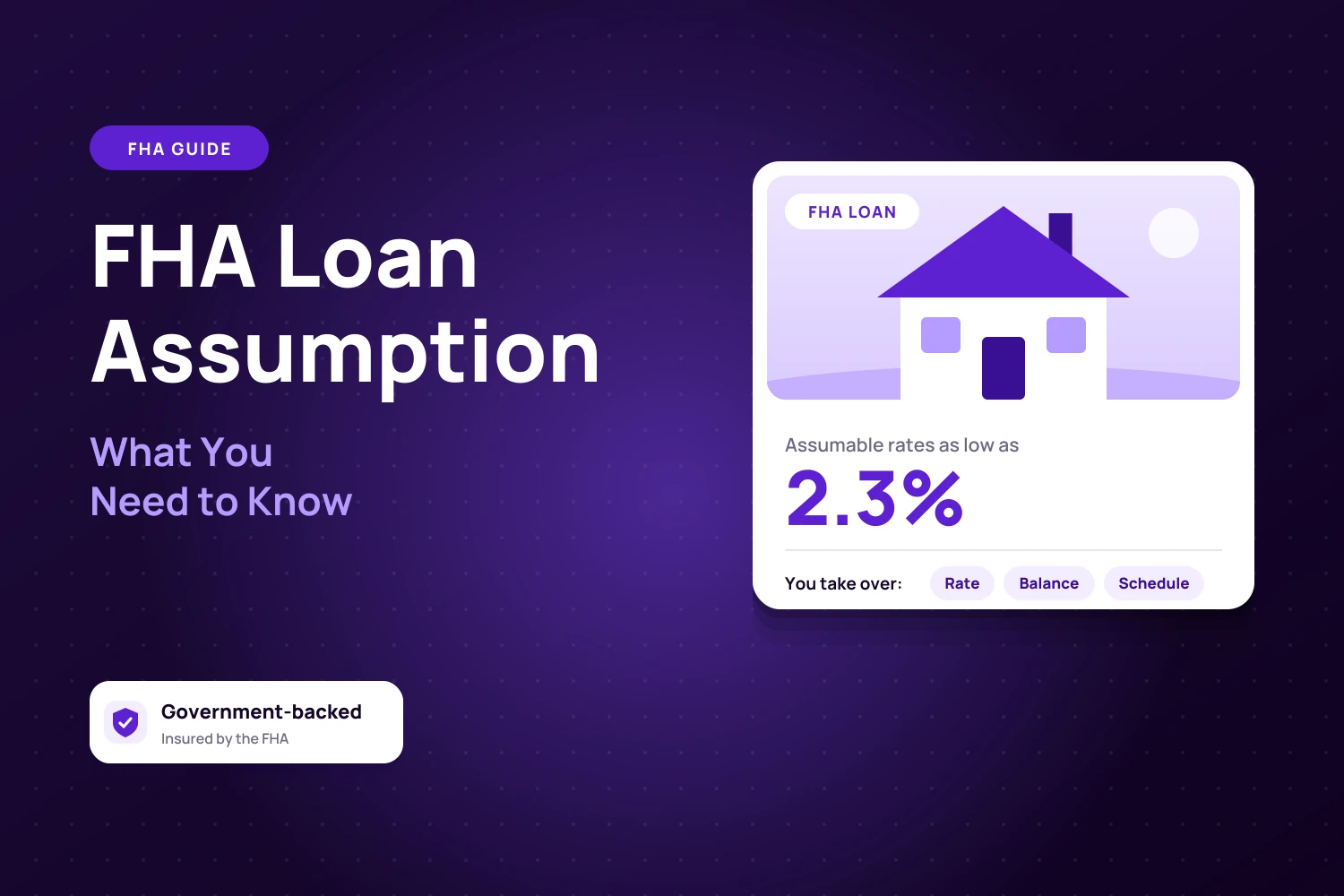
A loan assumption is the process of transferring an existing mortgage from the current borrower to a new buyer, who takes over the remaining balance, interest rate, and repayment terms. You might see it called an assumption of mortgage, a mortgage assumption, or simply "assuming a loan." They all mean the same thing.
Loan assumption is the most underused money-saving strategy in American real estate. In a market where rates hover near 6.5%, the roughly 6 million homes with assumable mortgages below 5% represent an enormous, largely hidden opportunity.
What Is a Loan Assumption, and Why Does It Matter Right Now?
When you assume a mortgage, you step into the seller's existing loan. Same lender, same rate, same remaining term. The seller is released from liability (with lender approval), and you don't originate a new loan. You inherit the one that already exists.
The Rate Gap That Creates the Opportunity
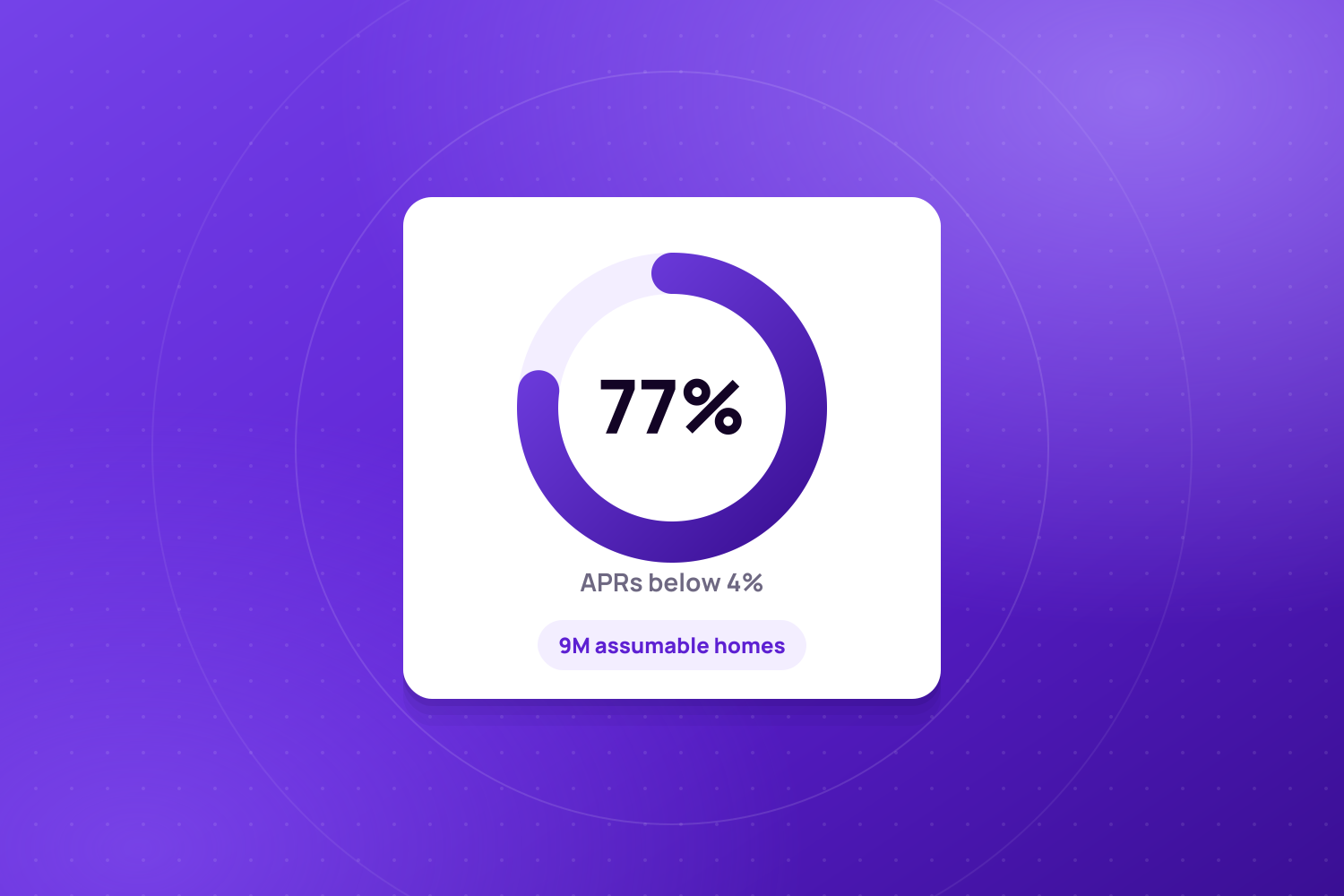
Mortgage rates are forecast to hover in the 6% to 6.5% range for a 30-year fixed loan in 2026, according to Mortgage Bankers Association projections. Meanwhile, about 74% of VA homeowners hold a mortgage rate below 5%, based on a Veterans United analysis of Ginnie Mae data through March 2025. That gap between today's rates and yesterday's rates is the entire value proposition.
On a $400,000 loan, the difference between a 7% rate and a 3% rate works out to roughly $974 per month ($2,660 vs. $1,686). Over the remaining life of the loan, the interest savings can exceed $200,000. At a lower price point, a $350,000 loan at 3.5% compared to 7% saves approximately $757 per month. That's real money.
A Fast-Growing Market That's Still Tiny
From 2022 to 2023, mortgage assumptions grew by 139%, according to the Bipartisan Policy Center. But in absolute terms, fewer than 6,000 FHA loans were assumed in fiscal year 2024 out of 7.8 million outstanding FHA mortgages. About 6 million homes in the U.S. have both an assumable mortgage and an interest rate below 5%, per AssumeList estimates cited by NPR.
The gap between potential and actual is enormous. Raunaq Singh, founder of Roam, notes that "98% of sellers don't actually know that they're eligible for the opportunity to include their mortgage in their home sale." This is an awareness problem, not an availability problem. And it's exactly the problem Assumable.io's database of 50,000+ active listings was built to solve.
Policy Momentum Is Building
Trump administration officials have said they are considering expanding access to assumable mortgages and developing new portable mortgages to bolster the housing market. Of the nearly 52 million outstanding mortgages, only about 23% are federally backed and currently assumable, per the Bipartisan Policy Center. Institutional momentum is building, which makes understanding the process now all the more valuable.
So which mortgages can actually be assumed? Not all of them, and the differences matter.
Can You Assume a Mortgage? Which Loan Types Qualify
FHA Loans: Yes, All of Them
All FHA-insured mortgages are assumable by law, as established in HUD Handbook 4155.1, Chapter 7. This isn't optional or lender-dependent. It's a feature of every FHA loan.
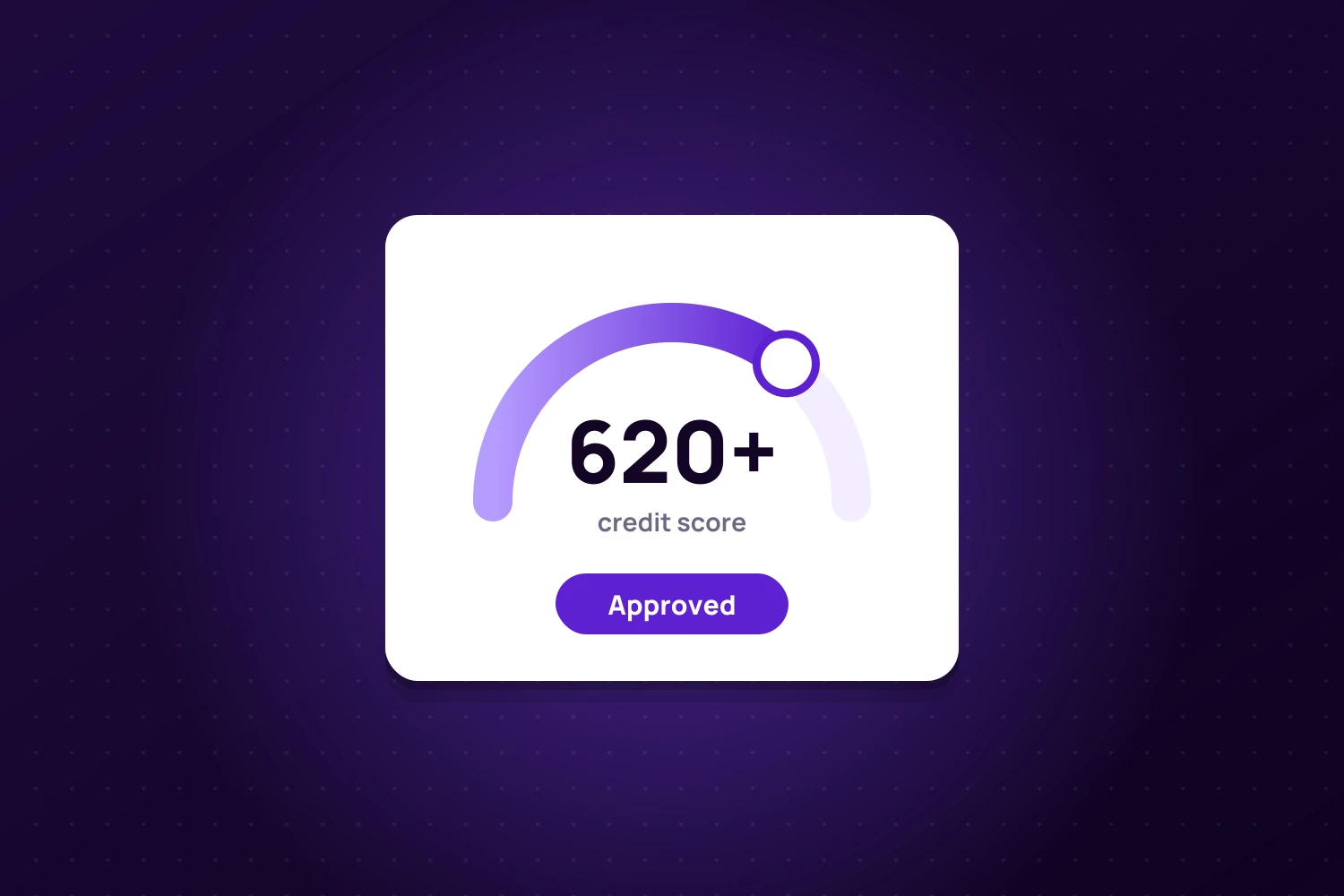
Mortgages originated after December 15, 1989 require a creditworthiness review of the new borrower. Buyers generally need a minimum credit score of 580 (though many lenders prefer 620 or higher) and a debt-to-income ratio under 43% to 50%, depending on compensating factors.
One honest caveat: if the original mortgage was originated after July 3, 2013, the annual mortgage insurance premium (MIP) remains for the life of the loan unless the original borrower made a down payment of at least 10%. When you assume an FHA loan, you inherit this MIP obligation along with the interest rate. Factor it into your savings calculation. Read the full FHA assumable mortgage guide for details.
VA Loans: Yes, Even for Non-Veterans
Every VA-guaranteed home loan is assumable. This has been a built-in feature since Congress authorized VA mortgage guarantees in 1944. Both veterans and non-veterans may assume a VA loan. The short answer surprises many people, but it's true.
Most VA lenders require a minimum credit score of 620. Here's the catch for sellers: VA entitlement. If the assumer is a civilian or a veteran who does not substitute their own entitlement, the seller's entitlement stays tied to the assumed loan until it's paid off. This can limit the seller's ability to use a VA loan again. Entitlement substitution (when another eligible veteran assumes and replaces the seller's entitlement) solves this problem.
Remember that 74% of VA homeowners carry a rate below 5%. VA assumptions represent the single biggest opportunity in this space. The complete VA loan assumption guide covers the process in depth.
USDA Loans: Yes, With Conditions
USDA loans are assumable under certain conditions. The assumption must be approved by both the servicer and the USDA (reference USDA HB-1-3550). The assuming buyer must be an owner-occupant who intends to live in the home as their primary residence. No investors.
USDA loans require a minimum credit score of 640 and a debt-to-income ratio of 41% or lower. A bonus: you won't pay the USDA guarantee fee (the 1% funding fee for new loans was already covered by the original borrower).
Conventional Loans: Generally No
Conventional loans aren't usually assumable because the mortgage contract typically contains a due-on-sale clause, which allows the lender to demand the entire remaining balance once the property is sold. The Garn-St Germain Act of 1982 established lenders' right to enforce these clauses on conventional loans.
Rare exception: some adjustable-rate conventional mortgages may include assumption provisions. But this is uncommon. Fannie Mae and Freddie Mac-backed loans (the vast majority of conventional mortgages) are not assumable.
Loan TypeAssumable?Buyer RequirementsKey ConsiderationFHAYes (all)580+ credit score, DTI under 43–50%Life-of-loan MIP on post-2013 loansVAYes (all, including non-veterans)620+ credit scoreSeller's entitlement may stay tied to loanUSDAYes (with conditions)640+ credit score, DTI at or below 41%Owner-occupant only, no investorsConventionalGenerally noN/ADue-on-sale clause blocks most assumptions
Assumable.io's search engine filters by loan type, so buyers can search specifically for FHA, VA, or USDA assumable listings across all 50 states.
Now that you know which loans qualify, here's how the assumption process actually works, from finding a listing to closing the deal.
How Do You Assume a Mortgage Loan? The Step-by-Step Process
Step 1: Find an Assumable Listing
The first challenge is discovery. Most MLS listings don't highlight whether a mortgage is assumable, and Singh's observation that 98% of sellers don't know they're eligible underscores how hidden these opportunities remain. Assumable.io provides nationwide search across all 50 states and 6,500+ cities, with mortgage data (loan type, estimated rate, estimated balance) on every listing. Working with an agent experienced in assumptions also helps.
Step 2: Make an Offer That Accounts for the Equity Gap
The equity gap is the difference between the home's current market value and the remaining loan balance. If a home is worth $450,000 and the assumable loan balance is $300,000, the equity gap is $150,000. The buyer must cover this with cash, a second mortgage, or seller financing.
Laurie Goodman, founder of the Housing Finance Policy Center at the Urban Institute, puts it plainly: the equity gap is "a stretch for many buyers." She points out that first-time buyers are "the last people that can come up with an extra $200,000 in cash." The gap varies enormously by property. Some assumptions have small gaps on recently purchased homes with high original loan-to-value ratios. Assumable.io's listing data helps buyers identify opportunities where the gap is manageable. Run the numbers with the Assumable Mortgage Calculator.
Step 3: Apply with the Existing Lender
Unlike a new loan where you shop lenders, in an assumption you must work with the seller's current loan servicer. There is no lender shopping. The buyer submits a formal assumption application, including income documentation, employment verification, credit report authorization, and asset statements. The paperwork is similar to a new mortgage application.
Step 4: Lender Reviews Creditworthiness
FHA servicers must complete the creditworthiness review within 45 days (HUD Handbook 4000.1). VA Circular 26-23-27 mandated servicers process assumptions within 45 days as well. But here's the reality check from Craig O'Boyle, President of Assumption Solutions: while the law gives servicers 45 days, "the reality is it can take months."
Step 5: Negotiate Gap Financing (If Needed)
Options include cash, a second lien from another lender, seller financing (the seller carries a note for part of the equity gap), or a combination. Second liens for assumption gaps are a growing product category but still not widely available from all lenders. Some credit unions and community banks offer them. Learn more about assumption gap financing options.
Step 6: Close the Assumption
Plan for 60 to 90 days from offer acceptance to closing. This is longer than a typical purchase, which averages around 30 to 45 days. At closing, the lender formally transfers the mortgage to the new buyer. The seller is released from liability (for FHA and VA loans with lender approval). After closing, the buyer makes payments to the same servicer at the same rate and terms.
How Much Does a Loan Assumption Cost? (And How Much Can You Save?)
Assumption Fees by Loan Type
Loan TypeAssumption/Processing FeeNotesFHAUp to $1,800Doubled from $900 in latest HUD 4000.1 updateVA0.5% funding fee + up to $300 processingPer VA Circular 26-24-5USDAVaries by servicerNo USDA guarantee fee (already paid by original borrower)
Total Closing Cost Comparison
According to Veterans United's 2025 data, average closing costs for a VA purchase loan of $300,000 run between $8,000 and $12,000. Most of those fees are skipped in an assumption. Typical assumption closing costs land between $2,000 and $4,000. That's a potential savings of $6,000 to $8,000 on closing costs alone, before you account for the rate savings.
Cost CategoryNew OriginationLoan AssumptionOrigination fee0.5–1% of loanNoneProcessing/assumption feeIncluded in origination$300–$1,800Total estimated closing costs$8,000–$12,000$2,000–$4,000Monthly payment ($400K, 30-year)$2,660 (at 7%)$1,686 (at 3%)Total interest (25 years remaining)~$398,000~$106,000
Why the FHA Fee Increase Is Actually Good News
Ted Tozer, former Ginnie Mae president and Urban Institute fellow, has noted that servicers "don't love assumptions" because "under government rules they can't charge enough to cover their processing costs." The FHA fee increase to $1,800 is a direct response to this friction. It's the government saying: we want more assumptions to happen, so we're making it economically viable for servicers to process them. Craig O'Boyle reinforces this point: "If a lender can get rid of a 2.5% rate and lend money out at 6.5%, I think they'd prefer to do that." Higher fees give servicers a reason to prioritize assumptions rather than deprioritize them.
Your numbers will differ based on the specific listing. Run your own comparison with the Assumable Mortgage Calculator.
What Are the Risks? Honest Tradeoffs of Loan Assumption
No mortgage strategy is without tradeoffs, and loan assumption is no exception. Here's what to know going in.
Longer Closing Timelines
A typical home purchase closes in 30 to 45 days. Assumptions routinely take 60 to 90 days, and O'Boyle notes the reality can stretch even longer. The 45-day regulatory window for FHA and VA (per HUD Handbook 4000.1 and VA Circular 26-23-27) is a ceiling, not a guarantee. Buyers and sellers need patience.
The Equity Gap Challenge
This is the biggest structural barrier. The shortfall between the home's value and the remaining loan balance can equal 30% to 50% of the property value. Goodman puts it plainly: first-time buyers are "the last people that can come up with an extra $200,000 in cash." Solutions exist (second liens, seller financing, cash), but they add complexity and cost.
Servicer Friction and MIP Inheritance
Servicers don't always have a strong financial incentive to process assumptions quickly. The FHA fee increase helps, but servicer capacity and willingness remain real variables.
For FHA loans originated after July 3, 2013 with less than 10% down, annual MIP stays for the life of the loan. You inherit this cost along with the rate. And for VA sellers, if the assumer doesn't substitute their VA entitlement, the seller's entitlement remains tied to the assumed loan until it's paid off.
The Counterbalance: Strong Outcomes for Completed Assumptions
Here's what's working. Kevin A. Park, a HUD researcher writing in the Cityscape journal, found that a loan assumption "lowers by 20 to 40 percent the risk that a loan will default" relative to loans that are not assumed. For the assumptions that do close, outcomes are strong. Goodman and the Urban Institute have noted that "assumable mortgages would need considerable policy accommodation to be an attractive option" at scale. Assumptions are a powerful tool for individual buyers, not a systemic fix for the entire housing market.
These are real challenges. They're also manageable when you have the right tools and information.
How Assumable.io Helps You Find and Close an Assumable Mortgage
If you've read this far, the natural question is: where do I actually start? The answer begins with finding the right property, and that's where most buyers hit a wall. Most MLS listings don't flag whether a mortgage is assumable. Most real estate agents have never handled one. The opportunity is massive but invisible without the right tools.
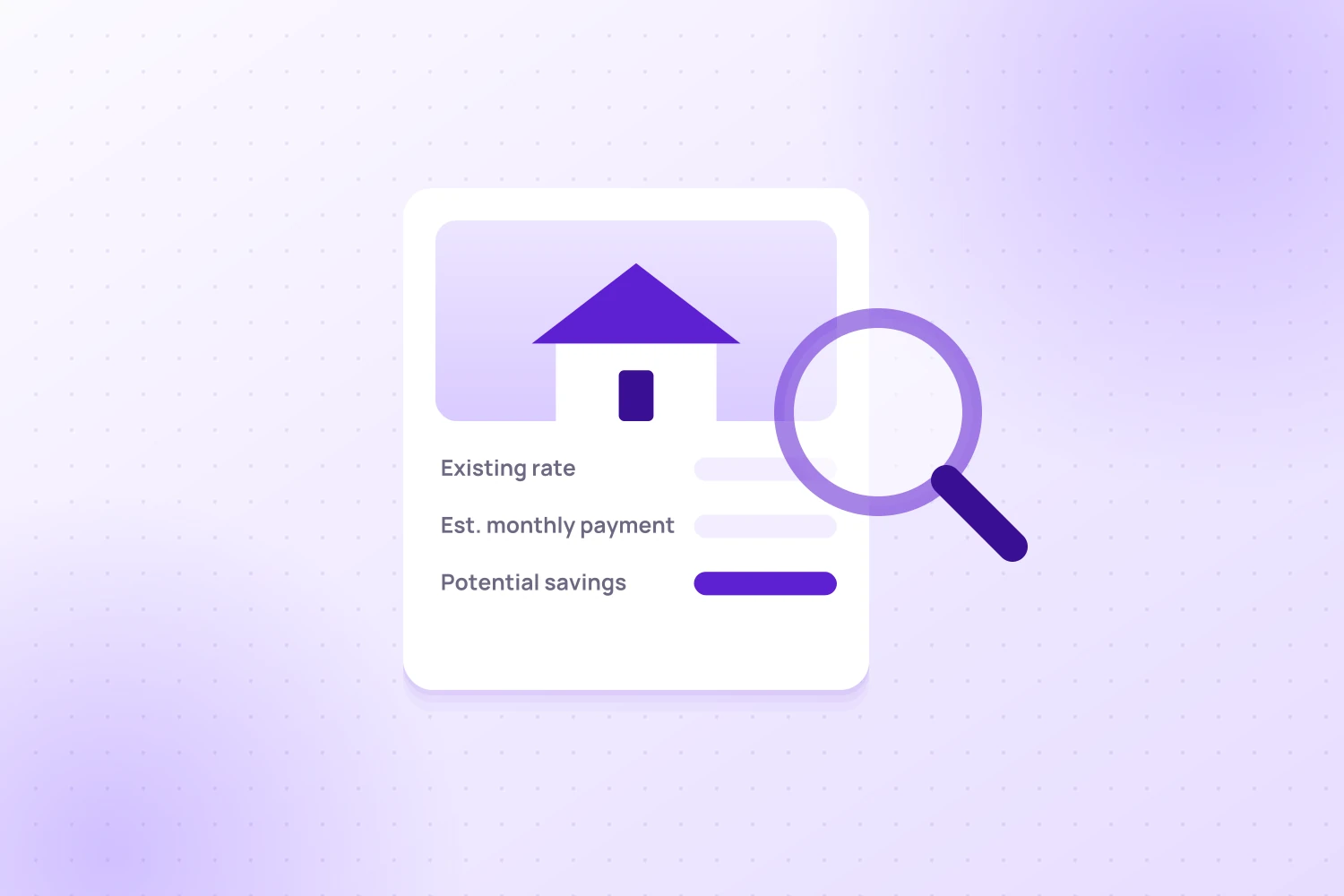
Assumable.io is the only national platform dedicated entirely to assumable mortgages. Every listing in the database includes the loan type (FHA, VA, USDA), estimated interest rate, estimated remaining balance, and estimated monthly payment. Buyers can evaluate the financial opportunity before they ever contact an agent. The Assumable Mortgage Calculator gives personalized savings estimates: plug in a listing's loan details, compare against a new mortgage at current rates, and see the monthly savings, total interest savings, and equity gap at a glance.
For buyers who want guidance, Assumable.io connects you with real estate agents who understand the assumption process. This matters because assumptions involve nuances (entitlement substitution, gap financing, servicer communication) that most agents have never encountered. And the broader education hub offers guides, a glossary, and state-level resources to help you move forward with confidence.
Frequently Asked Questions About Loan Assumption
What is the difference between a loan assumption and a refinance?
A loan assumption transfers an existing mortgage to a new buyer as part of a home purchase. A refinance replaces an existing loan with a new one for the same borrower at new terms. With an assumption, the buyer inherits the original rate and terms. With a refinance, the borrower gets a new rate based on current market conditions.
Can you assume a mortgage from a family member?
Yes, as long as the mortgage is an assumable loan type (FHA, VA, or USDA) and the family member meets the lender's qualification requirements. The process is the same as assuming from any seller. Lender approval is still required.
How long does a loan assumption take?
Plan for 60 to 90 days from offer acceptance to closing. FHA and VA regulations give servicers 45 days to complete their review, but actual processing times can be longer depending on the servicer.
What credit score do you need to assume a mortgage?
For FHA loans, the minimum is generally 580 (though most lenders prefer 620+). For VA loans, most lenders require 620 or higher. For USDA loans, the minimum is 640.
Are conventional loans assumable?
Generally no. Most conventional mortgages include a due-on-sale clause that allows the lender to demand full repayment when the property is sold. Some adjustable-rate conventional mortgages may be exceptions, but this is rare.
Do you need a down payment for a loan assumption?
You don't make a traditional "down payment," but you do need to cover the equity gap: the difference between the home's market value and the remaining loan balance. This can be paid with cash, a second mortgage, or seller financing.
Can a non-veteran assume a VA loan?
Yes. Both veterans and non-veterans can assume VA-guaranteed loans. However, if a non-veteran assumes the loan, the original veteran's VA entitlement remains tied to that loan until it's paid off.
How much does it cost to assume an FHA loan?
FHA servicers can charge up to $1,800 in processing fees (increased from $900 in the latest HUD policy update). Total closing costs for an FHA assumption typically run $2,000 to $4,000, significantly less than the $8,000 to $12,000 range for a new origination.
The Opportunity Is Clear. The Next Step Is Yours.
Two buyers on the same street. One paying $2,594 a month, the other paying $1,741. Same house. Radically different financial outcomes. Right now, roughly 6 million homes across the country have assumable mortgages with rates below 5%. Most of those homeowners don't even know they're sitting on this opportunity. Most buyers don't know it exists.
That gap between what's available and what people know about is closing fast. Assumptions grew 139% between 2022 and 2023, and policy momentum is building. The question isn't whether loan assumption works. The math is clear. The question is whether you'll find the right opportunity before someone else does.
Start with a search. See what's assumable in your area, run the numbers with the Assumable Mortgage Calculator, and see how much you could save.